

DATASET LICENSING & SOURCING
The data may already exist. What you licence is the record that lets you use it.
Rights-cleared inventory YPAI owns or represents, curated dataset sourcing through partners, and collection of only the gap.
- agreement
- Dataset Licence Agreement · current version
- consent
- recorded per contributor · withdrawable
- permitted use
- training and evaluation
- term
- fixed · stated in the schedule
- territory
- European Economic Area
- samples
- deleted after evaluation on request
FOUR WAYS TO BUY
Every one begins with what already exists.
The line below runs from data YPAI already holds to data that does not exist yet. Each way to buy sits where the data sits on that line, and the price of the work follows it.
-

Off-the-shelf licensing
exists · YPAI-owned
YPAI licenses data it controls with sufficient rights. You see the dataset card and a controlled sample under NDA, then the licence sets scope, term and territory.
-

Partner-sourced licensing
exists · represented
YPAI builds a partner inventory and represents datasets from other suppliers. Rights and availability are verified and the dataset is packaged and reviewed before you see a sample.
-

Bespoke sourcing
exists somewhere · found to order
You name the data. YPAI identifies it, samples and technically reviews it, verifies the rights, and arranges the licence and the delivery.
-

Custom gap-fill collection
does not exist yet · collected
YPAI collects what the inventory does not cover: missing languages, accents, age groups, scene or session types, formats, annotation, rights scope. You license what exists and collect only what is missing.
THE OPERATING FLOW
Find what exists. Collect only the gap.
Below, one requirement moves through the flow. The matches light in the inventory, the gap is drawn around what is missing, and the trace from every record to its consent and licence basis stays attached the whole way.
-
Find existing rights-cleared inventory
Own and partner inventory is searched against your requirement.
-
Present what can be licensed quickly
Dataset cards, provenance descriptions and controlled samples, under NDA.
-
Identify the gap
Missing languages, volumes or modalities are named against the requirement.
-
Collect only the gap
The missing part is collected to order, under the same consent and rights controls.
-
Keep the trace
Every record stays traceable to its consent record and its licence basis.
WHAT A LICENSED RECORD CARRIES
Your counsel asks the questions. The record answers them.
A licensed record answers which agreement authorised the data, which rights applied when it was made, and which uses are allowed now. Run the reader and a model answers each question from the specimen schedule in this tab; you confirm each field.
-
Which agreement authorises this use?
this Data Licence Schedule under the Master Services Agreement and its Statement of Work
the reader found ·
-
How is consent documented?
consent documented for each recording and withdrawable at any time
the reader found ·
-
Which use is permitted?
training and evaluation of automatic speech recognition models by the Licensee
the reader found ·
-
Where may the data be processed?
processing and storage within the European Economic Area
the reader found ·
-
May it be sublicensed?
requires the Licensor's written consent
the reader found ·
-
What happens to evaluation samples?
samples provided before signature are deleted at the Licensor's request once evaluation ends
the reader found ·
your confirmation

Licensed dataset. Conversational speech recorded in home and vehicle settings, with transcripts and speaker metadata.
Licensor authority. The dataset is licensed by YPAI under contributor agreements recorded per contributor, with consent documented for each recording and withdrawable at any time.
Authorising agreement. This Data Licence Schedule under the Master Services Agreement and its Statement of Work.
Permitted use. Training and evaluation of automatic speech recognition models by the Licensee.
Derivative works. Derived transcripts and acoustic features are permitted; derivative models offered to other parties require the Licensor's written consent.
Sublicensing, territory, term. Sublicensing requires the Licensor's written consent. Processing and storage within the European Economic Area. A fixed term stated in the order form, renewable by agreement. Non-exclusive.
Evaluation samples and withdrawal. Samples provided before signature are deleted at the Licensor's request once evaluation ends. A contributor's withdrawal is propagated to the Licensee's copy under the remediation procedure.
The record ships as
- a dataset card and a datasheet
- machine-readable provenance and permitted use, in the open dataset metadata format
- the agreement set, versioned, with the consent version that was active
- an integrity check per file and the withdrawal path
Why the record is the object
- the EU AI Act's data-governance duties for training data
- the training-content summary general-purpose model providers must publish
- the Commission's template for that summary
- the Munich judgment on memorisation and training
- Croissant, the dataset metadata format with provenance and permitted use
- ODRL, the rights model the platform builds on

THE NDA GATE
Under NDA you see the inventory. The licence grants the use.
The NDA is the first gate. It opens the inventory to you, and the licence that follows grants the use. The threshold below shows what stands on each side.
The NDA opens
Dataset cards, inventory, prices, provenance descriptions, technical specifications, genuinely anonymised or controlled samples, partner and sourcing information where the agreement allows it.
Only the licence grants
Training rights, evaluation rights on production data, resale, sublicensing, white-label rights, access to personal data, keeping samples after evaluation.
On the threshold
YPAI can require deletion of samples and evaluation material.
After the NDA
A Dataset Licence Agreement, or a Master Services Agreement with a Statement of Work and a Data Licence Schedule.
The schedule can set
Exclusive or non-exclusive, a fixed term or a renewing one, territory, permitted use, training, evaluation, derivative models, sublicensing and white-label supply, downstream rights.
EVERY MODALITY
Speech, audio, image, video, text, sensor, multimodal. Depth lives with the specialists.
This hub owns the licensing conversation across every modality. Where a specialist page exists, the door below opens it; where it does not, the need goes straight to intake.
 Speech and audio inventory The existing catalogue and its coverage, by language, dialect, setting and device. Open the catalogue →
  Speech collection programmes Recruitment by dialect, setting and device, when the catalogue has the gap. Speech data →
 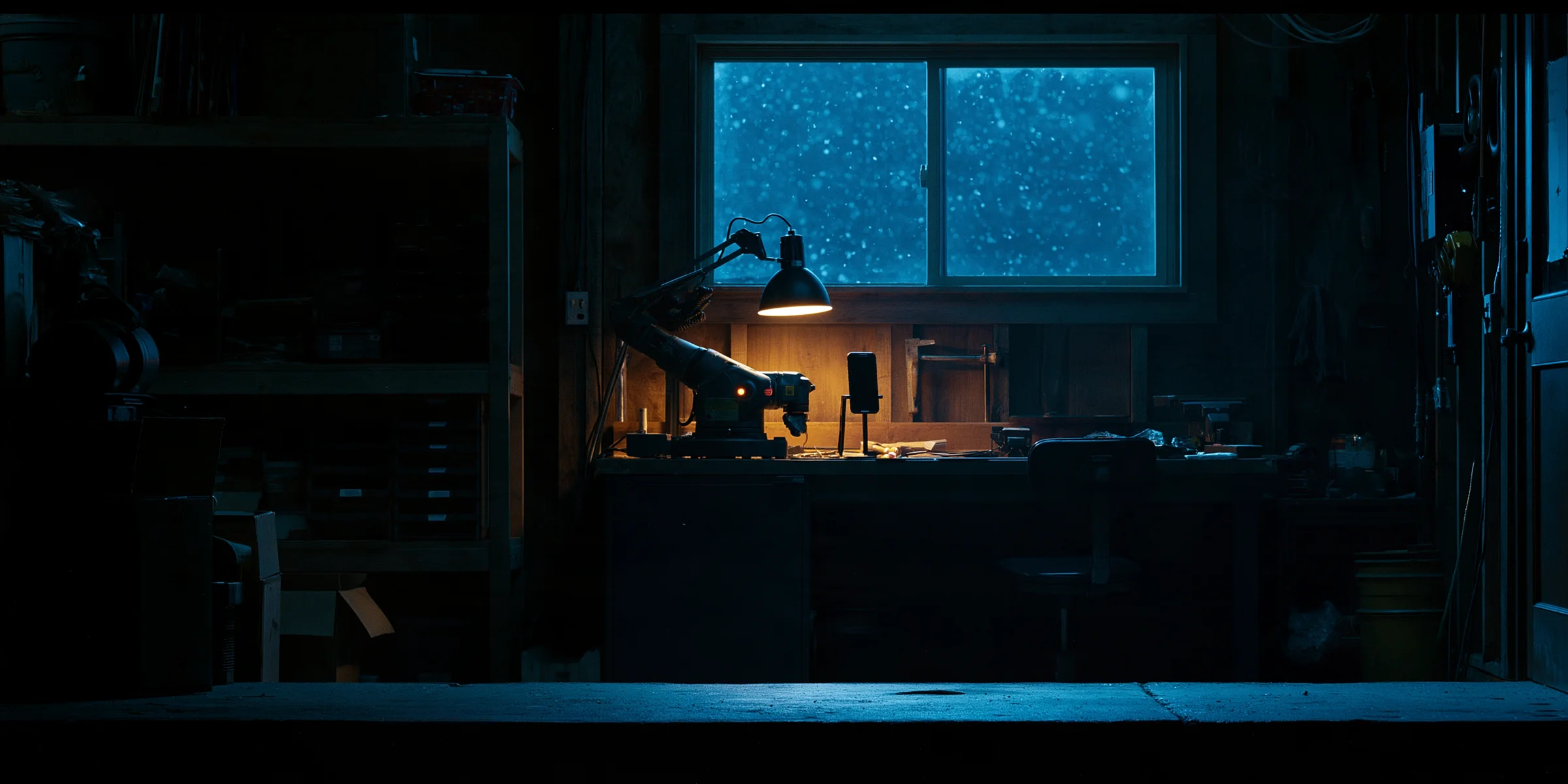 Physical AI and sensor streams Robot episodes, demonstrations and synchronised sensors, licensed or collected. Physical AI data →
  Video Collection at scale and the video families. Video data →
  Image, three-dimensional and multi-sensor Scoped at intake against the requirement. Describe the need →
  Text and documents Scoped at intake, with source licence and redaction state. Describe the need →
 Multimodal bundles are scoped at intake, each stream with its own record. How your own data is processed when you bring it
THE PLATFORM
Every decision stays bound to the frame.
The platform carries your requirement through the work and binds every decision to the asset it was taken on. The record ships with the delivery, so what you receive can be inspected, not just trusted.
the record travels with the delivery
- binds
- capture, consent, label, review, inspection, acceptance
- record
- ships with every delivery, with an integrity check
- console
- native human-review core on self-hosted European servers
- residency
- subprocessors and transfers defined per engagement
Pilot against the actual requirement, then scale the accepted workflow.
A pilot is scoped to your specification, quality thresholds and acceptance criteria, and reviewed against them before anything scales. Scope and commercial terms are agreed before it starts. Production is a separate decision, taken after the pilot review.
START UNDER NDA
Describe the need. Start under NDA.
Two sentences are enough: what data, for what use. A named person reads it and comes back with what exists, what can be sourced, and what would be collected.
QUESTIONS COUNSEL AND DATA LEADS ASK
Questions before the NDA.
What does YPAI license, and what does it source?
YPAI licenses rights-cleared datasets it owns, and it represents datasets from partner suppliers as curated dataset sourcing, with rights and availability verified before you see a sample. Where the data you need exists somewhere else, YPAI sources it to order. Where it does not exist yet, YPAI collects only that gap. The four forms sit on one line, from data YPAI already holds to data collected for you, and the same consent and licence trace applies to all of them.
What can we see under NDA?
Under NDA you see dataset cards, the inventory that matches your requirement, prices, provenance descriptions, technical specifications, genuinely anonymised or controlled samples, and partner and sourcing information where the partner agreement allows it. The NDA is the first gate, and it opens the inventory. Training rights, evaluation on production data, resale, sublicensing, white-label rights, access to personal data and keeping samples are granted by the licence that follows.
What comes after the NDA?
A Dataset Licence Agreement, or a Master Services Agreement with a Statement of Work and a Data Licence Schedule. The schedule names the dataset, the licensor authority, the permitted uses, the derivative rules, sublicensing, territory, term and exclusivity, and it records the consent version that was active when the data was made. Samples and evaluation material provided before signature are deleted at YPAI's request once evaluation ends.
How is a licensed record traceable to consent?
Each record carries the agreement that authorised it, the consent version that was active, the rights that applied when it was created and the uses allowed now, together with its lineage and an integrity check. The same record answers a contributor's withdrawal: the affected records, datasets and deliveries are identified and the remediation procedure applies to your copy. The record ships with the delivery, in machine-readable dataset metadata, so your compliance team reads it rather than takes it on trust.
Can we have exclusivity, a limited territory, or a fixed term?
Yes. Licences are structured exclusive or non-exclusive, term-based or renewing, with territory, permitted use and downstream-rights structures set in the schedule. Exclusivity is most often agreed for data collected to order, where the dataset is built against your requirement. The structure is agreed at scoping, together with the commercial terms.
What if the data we need does not exist yet?
Then that part is collected. YPAI names the gap against your requirement, missing languages, accents, age groups, scene or session types, formats, annotation or rights scope, and collects only that, under the same consent and rights controls as the inventory. Licensing what exists and collecting only the gap shortens the project and lowers its capital need compared with collecting everything from zero.
Can YPAI supply data through an intermediary?
Yes, as white-label supply, where the end client does not necessarily contract with YPAI directly. That structure is written precisely: sublicensing, white-label rights, end-client disclosure, permitted use, model training, evaluation, derivative models, term, territory, exclusivity and indemnity are each set in the agreement.
How do we start?
Describe the need in the form above: what data, for what use, which modality, whether existing inventory is acceptable, and whether an NDA is in place. A named person reads it and comes back with what exists, what can be sourced through partners, and what would be collected, and the NDA is put in place before any inventory or sample is shared.

The record that lets you use it.
Describe the need. YPAI comes back with what exists, what can be sourced, and what would be collected.